Cold-climate projects
For a classroom or office in a cold region, the brief should identify the project temperature basis, required U-value, condensation strategy and snow-load criteria. Compare panel thickness together with thermal bridges at module joints; a thicker core alone does not establish whole-building performance. Request an assembly drawing and the proposed calculation method. Local engineers must verify the envelope and structural design against the actual site.
Hot and humid sites
For site administration in a humid climate, record corrosion exposure, galvanized coating requirements, HVAC responsibility and condensate drainage. A volumetric module can contain more completed services, while a panelized package can reduce shipped volume and demand more site work. Compare packing dimensions, unloading equipment and installation scope together. Neither route is intrinsically cheaper without a common logistics and labor basis.
Dense urban installations
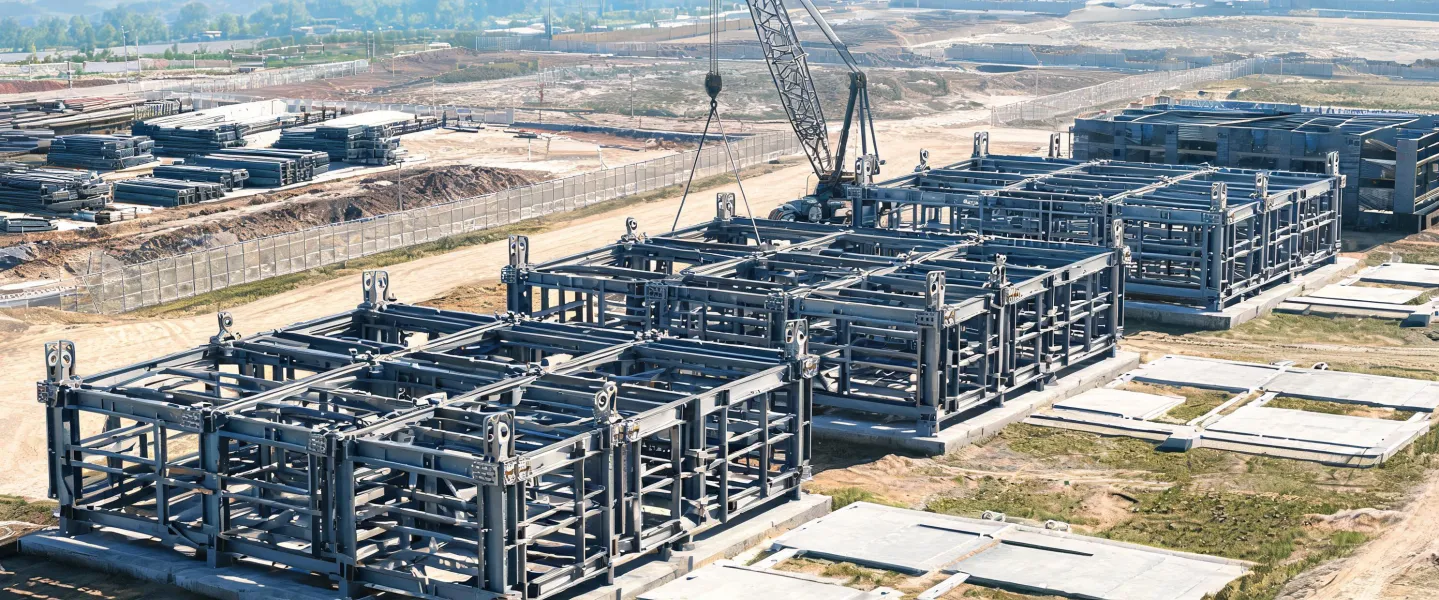
For constrained commercial plots, lifting radius and delivery access can govern module dimensions before internal planning is finalized. Ask freight and lifting specialists to check route restrictions, crane position and allowable delivery hours. Temporary-use classification does not automatically waive fire separation or accessibility requirements. Obtain the destination authority pathway from the responsible professional before interpreting a supplier standard drawing as permission to build.