Adapteo Modular Technology: make interfaces reviewable

Coordinate digital design, DfMA and supplier evidence before treating a rendered building as a purchasable system.

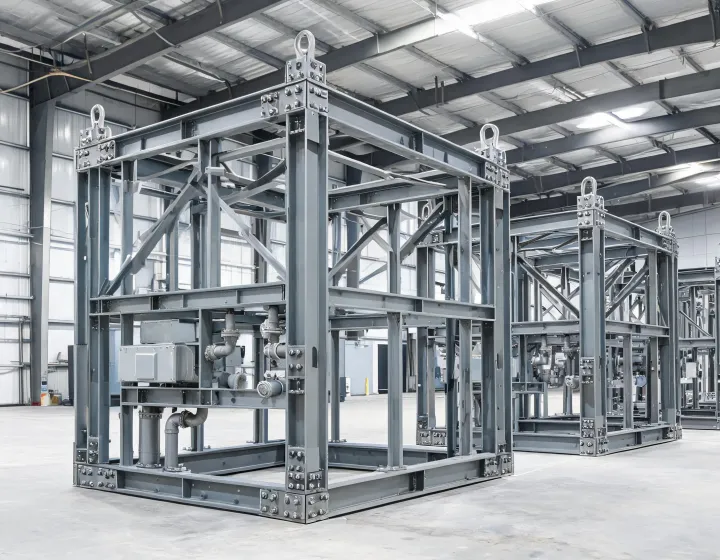
BIM model and modular steel frame assembly with documented MEP interfaces

From model revision to procurement decisions

Define the reference

Identify the model revision, module grid, storey count and structural design basis. DfMA is useful when fabrication and assembly interfaces are explicit. A visualization without approved dimensions cannot be used as a purchase specification. Record the author and review status of each drawing before comparing supplier proposals.

Resolve the interfaces

Separate supplier-installed MEP from site connections. Compare where electrical termination, pipework testing and HVAC commissioning occur. Volumetric construction can shift work away from site, but transport height and lifting loads constrain completion. A panelized system may ship more densely yet require additional weather protection and assembly quality control.

Review the proposed assembly

Ask for steel grade, connection details and coating specification alongside sandwich panel core, thickness and thermal conductivity. EPS, PIR and mineral wool differ in cost, weight and performance characteristics. No core name establishes system-level fire resistance: request evidence for the proposed assembly, joints and penetrations under the specified test conditions.
Four evidence gates for supplier completion

01

Dimensions

Measure module diagonals and agreed interface locations against the approved drawing; record values in mm.

02

Envelope

Record panel core and thickness in mm, declared U-value in W/m²K, and report references.

03

Services

Request the supplier test procedure, test conditions and signed results for included MEP work.

04

Packing

Reconcile module IDs, gross mass in kg, lifting points and cargo dimensions before loading.

Reassembly changes the review sequence

  1. Before purchase

    Specify whether future relocation is an intended use. Removable connections can assist disassembly, while welded details may require repair procedures. Record which joints and seals are designed for replacement.

  2. Before dispatch

    Use a first-unit review protocol agreed with the supplier and inspector. Compare measured interface dimensions against the drawing tolerances, photograph the module identifier and log nonconformities for disposition. This is a proposed validation route, not a claim that testing has already occurred.

  3. Before another installation

    Assess transport damage, corrosion, connections and seals with competent parties. A previous approval does not establish compliance for a new site, altered occupancy or changed climatic loads.

Request a DfMA evidence review

Send the model revision and proposed scope. The sourcing discussion will identify supplier document gaps and the professional reviews needed before purchasing.